
Fair Game Annual Conference 2026


fair game annual conference 2026
day one review
Discussion, Challenge and Reflection at the National Football Museum
Steve Piper reports on Day One of the Fair Game Annual Conference 2026 in Manchester.
Fair Game is a purpose-driven organisation working to make English football fairer, more transparent and more sustainable, for fans, clubs and communities. Through its annual Fair Game Index, its policy work and its growing network of clubs, supporters' trusts and changemakers, it has established itself as one of the most important voices in English football reform. The Annual Conference is the centrepiece of that work: two days at the National Football Museum in Manchester bringing together key voices from across the game to do more than talk. Designed for impact, workshops deliver realistic recommendations, panels stimulate challenge, and conversations challenge issues that football too rarely addresses.
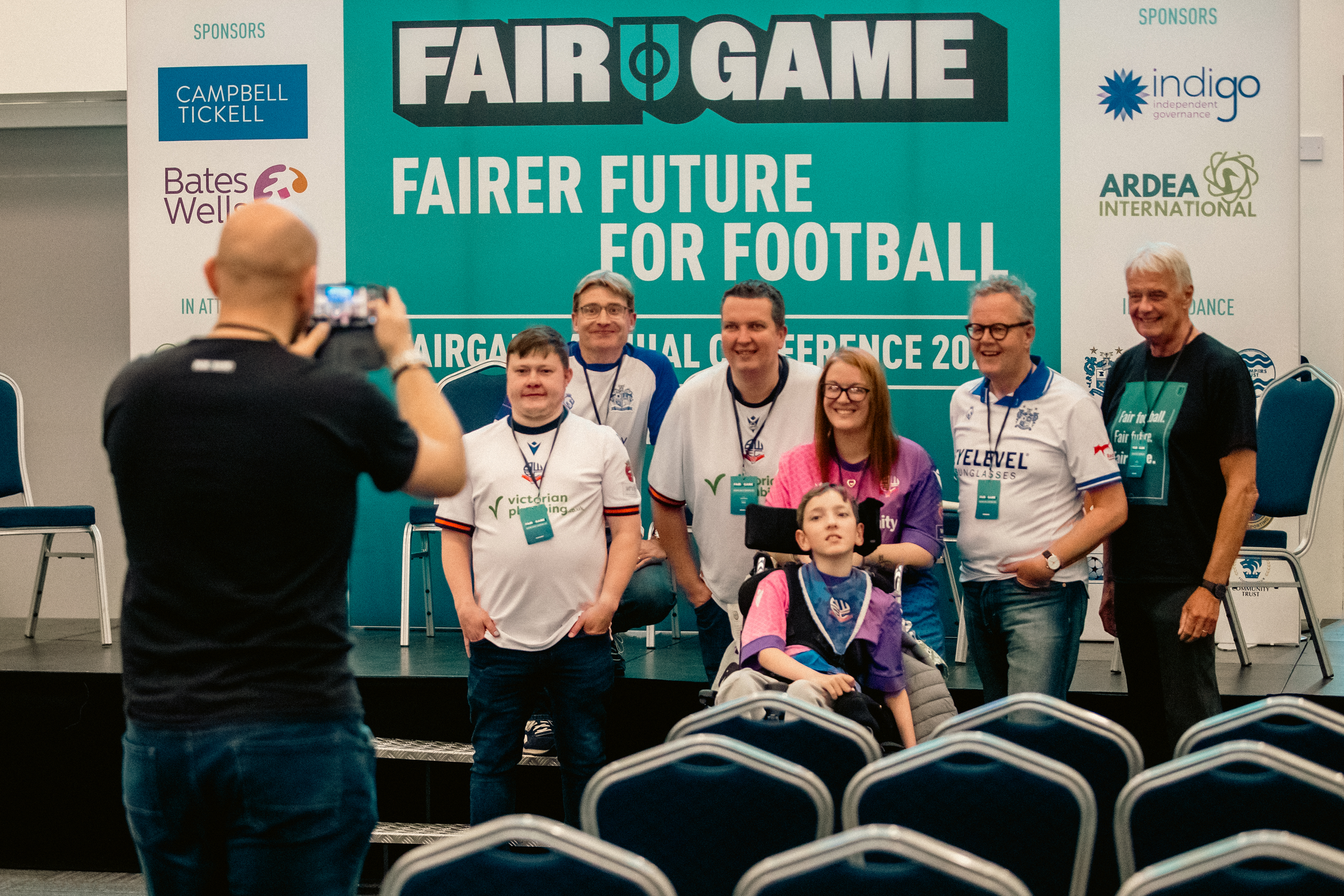
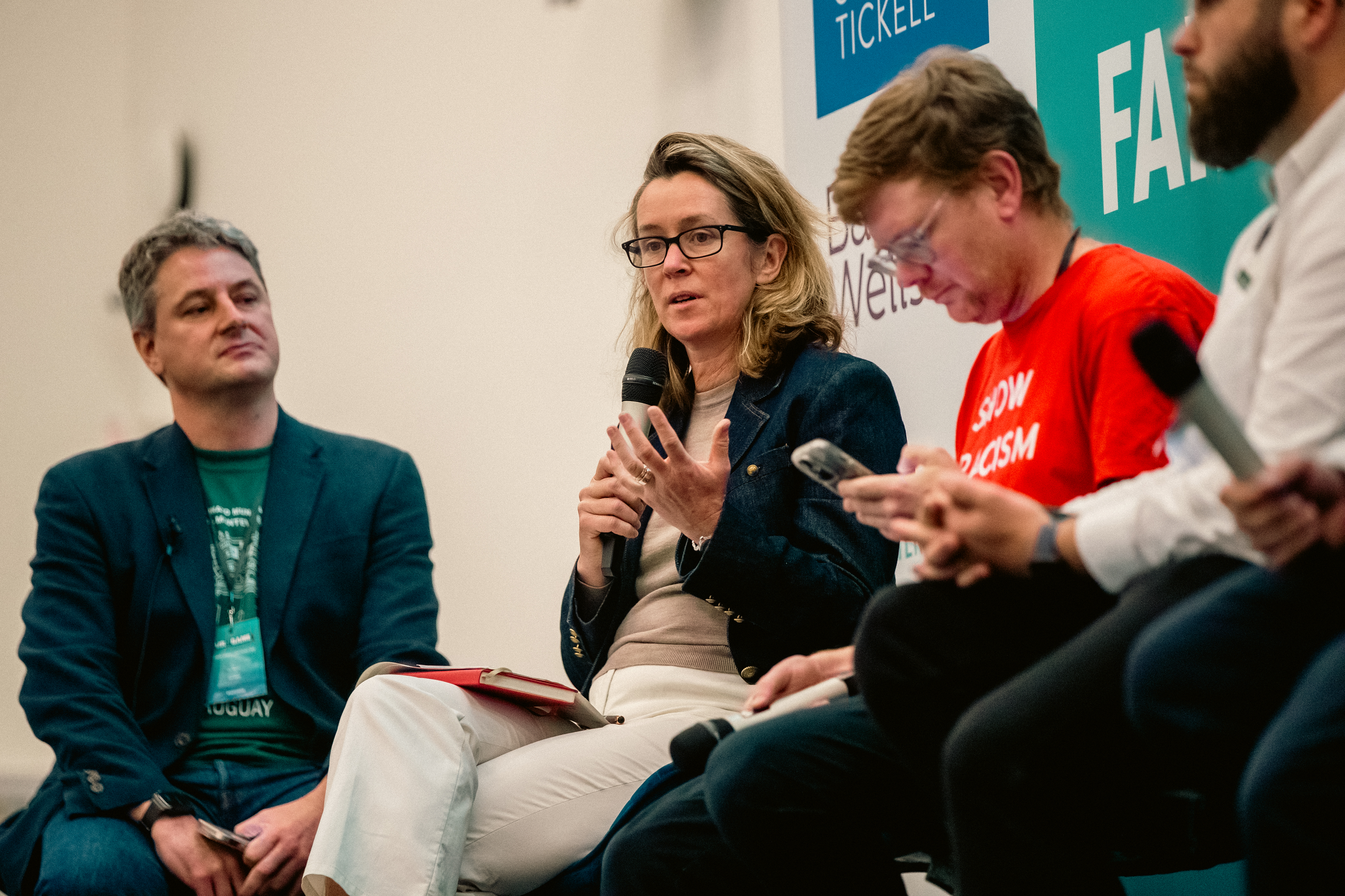
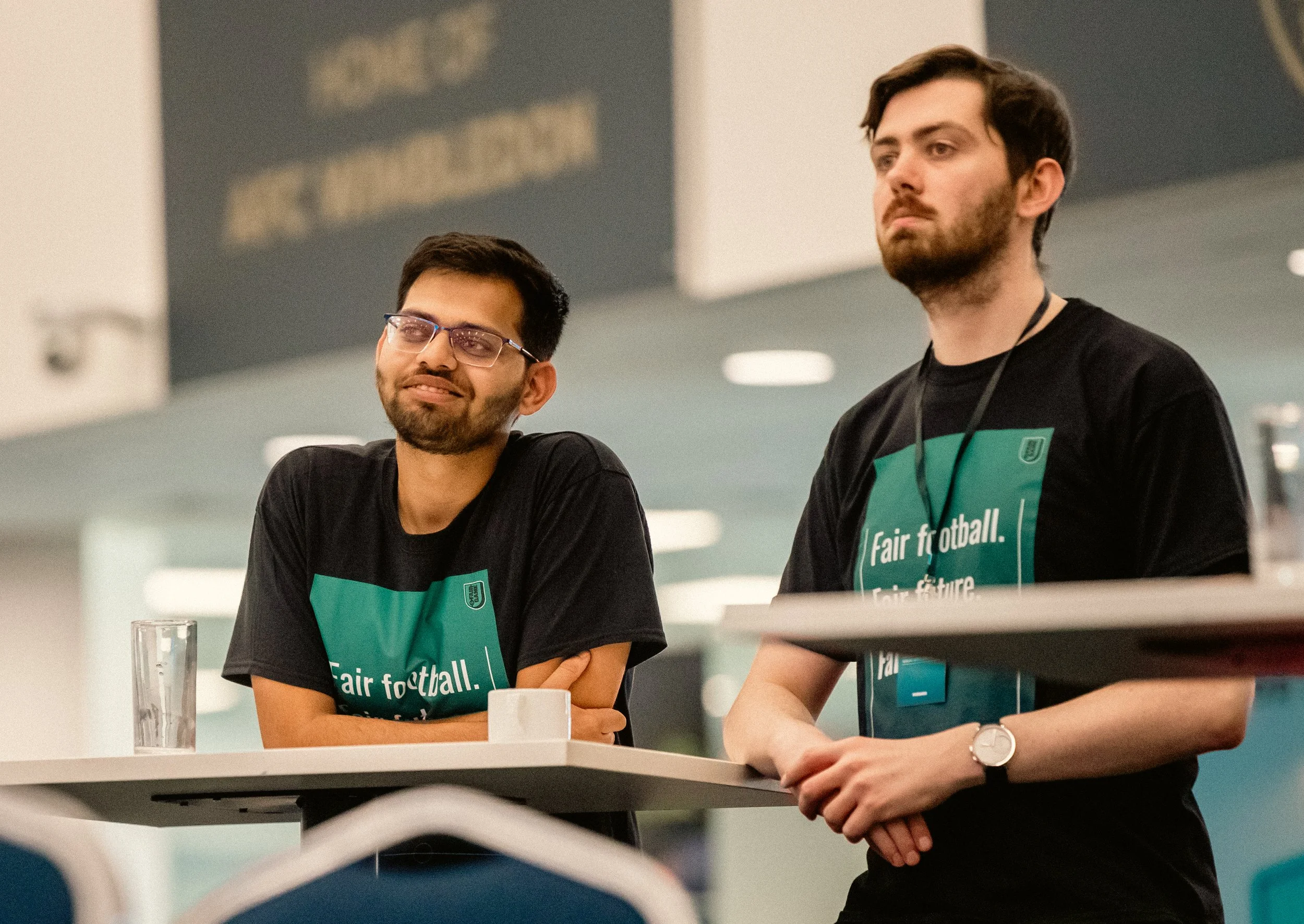
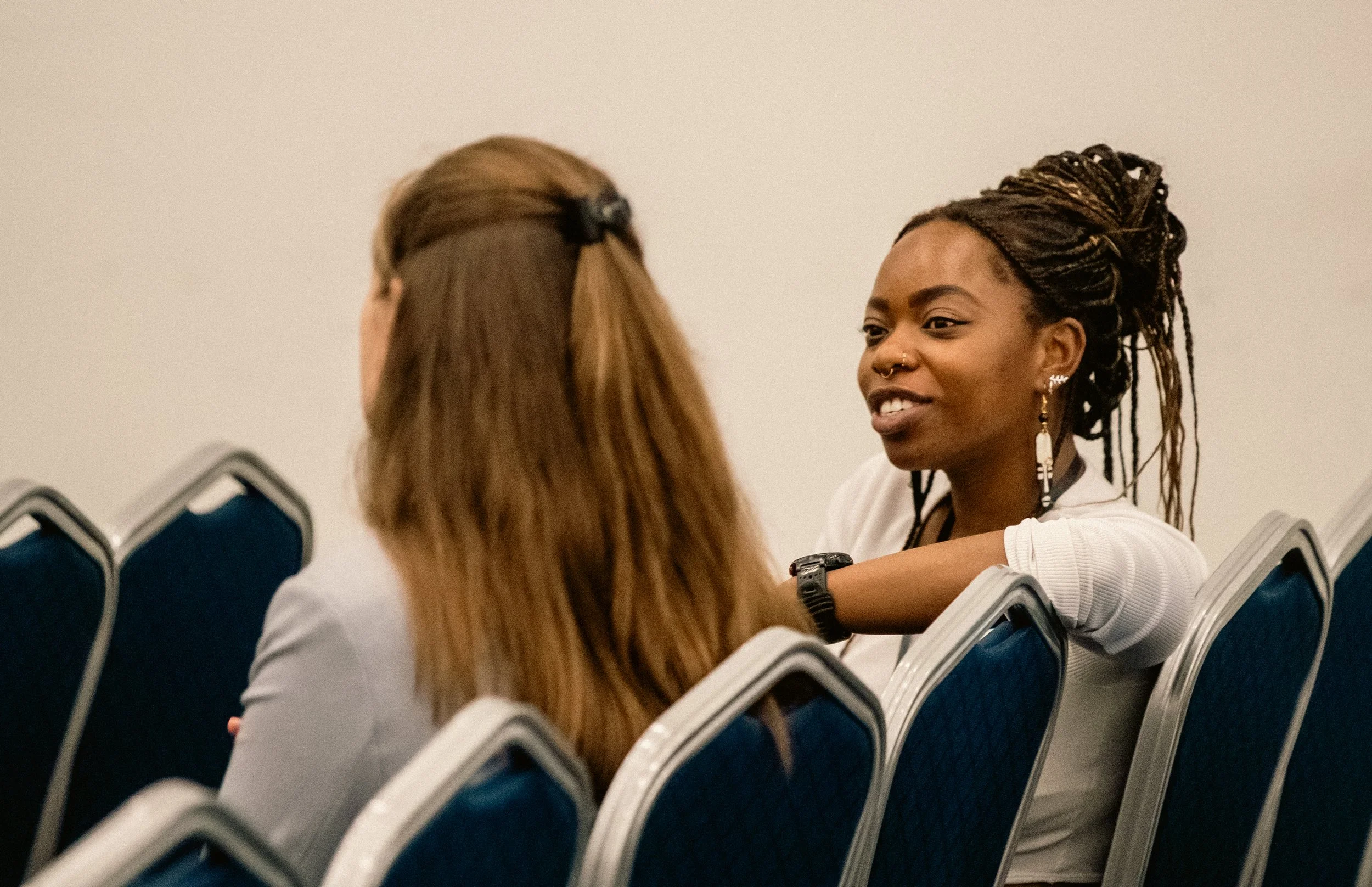
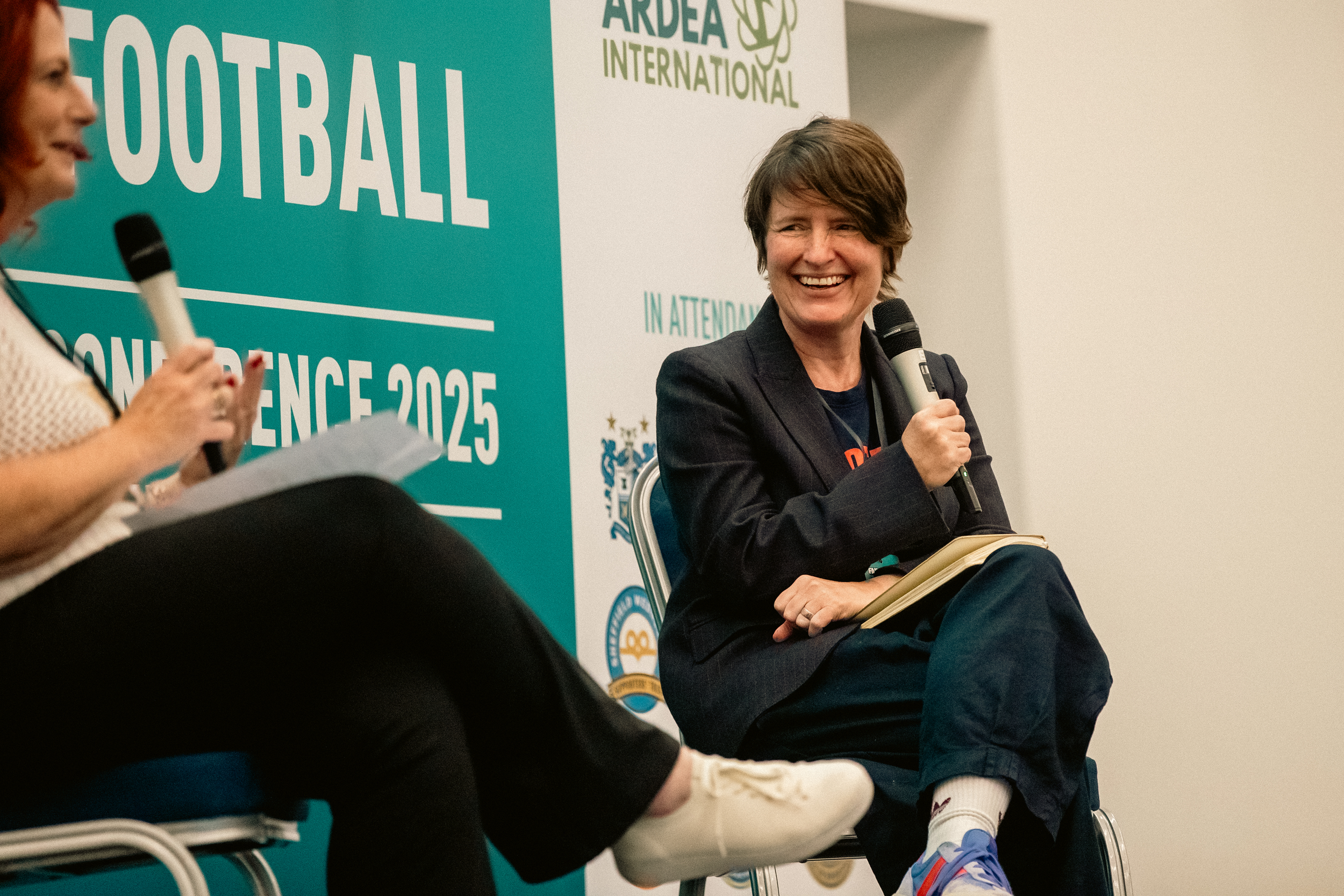
The National Football Museum in Manchester provided the backdrop for a day of structured discussion across multiple areas of the game. Day one of the Fair Game Annual Conference 2026 brought together club executives, fan groups, equality campaigners, finance experts and policymakers all united by a belief that English football can and must do better.
The atmosphere from the off was one of genuine goodwill and collaboration. It is a space where shared values are assumed and the hard work of working out how to act on them takes centre stage. And there was no shortage of that approach on Day 1.
The environment workshop, in many ways, reflected the wider challenge in football. There’s a genuine appetite for change, with good conversations happening and a range of stakeholders involved. But the gap between ideas and what actually gets done is still there. Costs, capacity, and getting staff and fans on board all make a difference. There was also a lot of discussion around funding, especially what sustainability really looks like for clubs further down the pyramid. Small changes matter, but the bigger point was making these behaviours routine, not occasional.
The diversity workshop, led by Sally Freedman, was one of the most direct sessions of the day. Evidence of ongoing bias in men’s football was set out clearly, particularly the disproportionate scrutiny faced by female pundits. The timing was notable. A derogatory post on X, responding to Sally’s recent article on sexism, surfaced that morning, underlining that this remains a live issue. Campaigns such as Kick It Out were discussed, alongside questions of accountability and enforcement. A central issue remained unresolved: why does this persist? Whether driven by weak consequences or amplified by social media, the effect is consistent. The tone in the room was serious but constructive. Contributors emphasised the need to move beyond blame towards practical steps and collaboration. The women’s game is still developing, and the session closed with a clearer sense of how progress might be made.
In the finance workshop, a broad mix of participants worked through the realities of running a football club in the current landscape. Questions centred on what drives good governance, how the Fair Game guide can support this, and what leverage clubs in the lower leagues may be overlooking. Several argued that player development and academies remain undervalued, producing talent that flows upwards without proportional return. One point sharpened the discussion. There was no representation from the Premier League. This absence raised a more pressing question about who speaks for these principles in the rooms where decisions are made. The Football Governance Bill was seen as an opportunity, but only if policymakers engage directly with the realities described.
The ethics workshop, led by Level Playing Field, focused on accessibility and opened with a statistic that framed the discussion clearly. There are 16.8 million disabled people in the UK, yet only around 8.5 per cent are wheelchair users. Despite this, stadium design and access culture still tend to treat wheelchair provision as the main response to disability. Participants pointed to ongoing barriers, including legacy infrastructure, the attitudes of others, and limited transport options. These are not isolated issues but structural ones, and the discussion made clear that they require more considered and systemic responses.
The racism in football workshop reached similar conclusions by a different route. HR practices in the game remain deeply embedded, often reinforcing existing hierarchies rather than challenging them. Recruitment processes, in particular, were highlighted as resistant to change, with limited accountability. Participants stressed the importance of engaging local communities and making a clear case for diversity and inclusion, while recognising that a business case on its own is not sufficient. As one contributor put it, structural issues require structural solutions.
The governance workshop, led by FairSquare with support from Campbell Tickell, examined the IFR’s five principles and what effective corporate governance looks like in practice. The discussion moved between formal frameworks and the realities of implementation within football organisations. Particular attention was given to how principles are interpreted differently across levels of the game, and where accountability tends to weaken in practice. Participants tested ideas against lived examples from clubs and governing structures, making the conversation consistently applied rather than abstract. It was detailed, practical, and focused on operational realities rather than theory. In the context of the wider themes explored across the day, the session carried a clear sense of urgency about the need for governance standards that are not only defined but consistently enforced.
The afternoon concluded with a closing session that many found particularly significant.
The broadcaster Clive Tyldesley introduced the panel on the legacy of Hillsborough with a reflection so personal and so careful that the room fell immediately and completely silent. He set the scene, not as a journalist, but as someone for whom April 1989 was not a news story but a human catastrophe felt close to home. "Everybody knew somebody who didn't come back," he said.
What followed was a conversation between David Conn, the Guardian journalist who has spent decades painstakingly chronicling the disaster and its aftermath, and Margaret Aspinall, whose son James was among those who died. Margaret remained remarkably calm as she spoke about the day describing the wait for news, her husband Jim travelling to hospital in Sheffield, and the moment it became clear that James would not return home. She then outlined the long, personal and very painful process that followed.
The original inquest was not quashed until 21 years later, with a second inquest in 2016 returning verdicts of unlawful killing. Margaret also noted the financial burden placed on families, who contributed to funding elements of the legal process. She referenced a letter sent to government the previous day requesting an update on progress with the Hillsborough Law.
“The truth costs nothing,” Margaret said.
It was a moment that seemed to gather the whole day into itself, the green agenda, the fight against sexism in football, the challenge to entrenched power in football's financial structures, the demand for genuine accessibility, the push for structural rather than superficial change. All of it, in the end, comes down to truth and accountability. To doing right by the people who care about this game.
Fair Game would like to extend its heartfelt thanks to everyone who made Day One possible - to every attendee who gave their time, energy and expertise so generously; to our sponsors whose support makes this conference happen; to every presenter, panellist and workshop facilitator who brought such honesty and commitment to the room; and to our brilliant volunteers without whom none of it would run.
Steve Piper is an academic at the University of Gloucestershire and a regular contributor to Fair Game: spiper@glos.ac.uk.