
Regulator’s response to owners and director test consultation is ‘a missed opportunity’
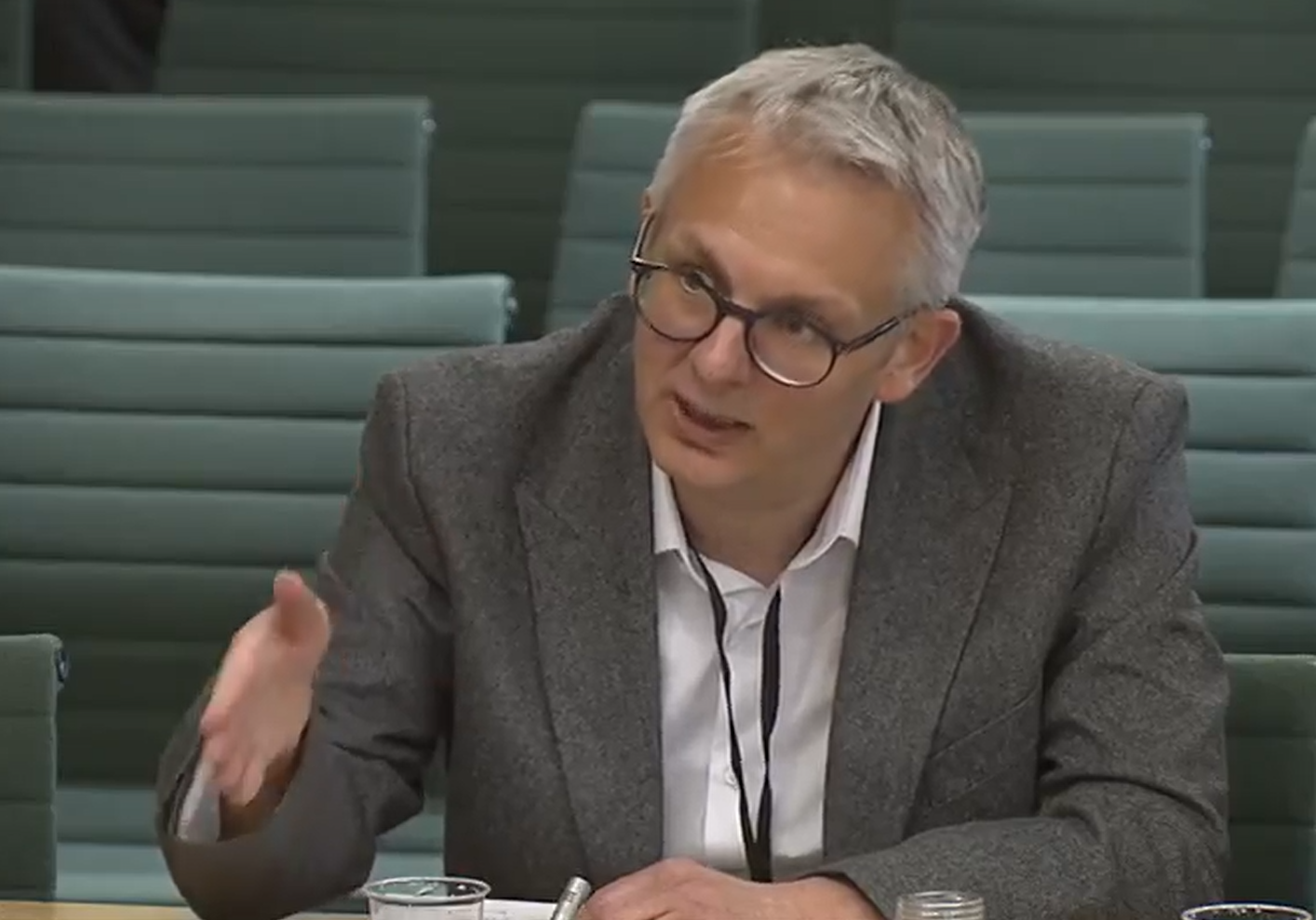
“This is a missed opportunity. Football desperately needs to raise the bar on integrity, transparency and financial responsibility”
Niall Couper, Fair Game CEO
FAIR GAME has expressed serious concern that the Independent Football Regulator has failed to adopt several crucial safeguards recommended during the consultation on the Owners, Directors and Senior Executives (ODSE) regime.
The Regulator released its ‘response document’ from its consultation process on Friday 5 December.
While Fair Game acknowledges some positive steps, such as greater clarity around key decision-makers and improvements to application forms, the Regulator has declined to introduce many of the core protections that Fair Game believes are essential to restoring trust, transparency and accountability in football’s leadership.
Key areas where the Regulator fell short:
1. Failure to introduce automatic disqualification criteria
The Regulator rejected Fair Game’s call for automatic bans for individuals with histories of fraud, corruption, violence, hate crimes, multiple insolvencies, sanctions, or serious human rights concerns - criteria already used by the Premier League and EFL.
2. No explicit clarity on complex ownership structures
Despite evidence that indirect ownership can obscure control, the Regulator declined to add plain-English guidance to prevent prospective owners under-calculating their real influence in club structures.
3. No protection against exploitative purchases linked to promotion/relegation timing
The Regulator ignored warnings that unscrupulous buyers could acquire clubs just before or after promotion into the National League to avoid regulation.
4. Weak notification rules
Fair Game recommended clear deadlines, mirroring the Premier League and EFL, to prevent last-minute ownership notifications. The Regulator instead kept vague “reasonable prospect” language, opening the door to inconsistency and confusion.
5. Rejection of stronger financial soundness protections
Fair Game urged the Regulator to adopt broader financial red-flag triggers and require genuine evidence of long-term financial sustainability. The Regulator opted for a narrower test, deferring major checks to a separate licensing regime.
6. No adoption of Fair Game and Transparency International’s red-flag monitoring system
Fair Game proposed an independent screening tool to help detect risks early. The Regulator did not integrate it into their approach.
7. Limited scrutiny of incumbents
Instead of proactive annual reviews or automatic checks on clubs in distress, the Regulator will only investigate existing owners when it has “grounds for concern” – a threshold Fair Game warns is too reactive.
Niall Couper, CEO of Fair Game, said:
“This is a missed opportunity. Football desperately needs to raise the bar on integrity, transparency and financial responsibility. Having looked through the response, we feel the Regulator has chosen an approach that is too broad, too vague, and too reliant on case-by-case judgment.
“We’re concerned that the Regulator hasn’t closed loopholes around complex ownership structures, has not prevented opportunistic purchases around promotion and relegation, and has not provided clear timelines for ownership notifications. These omissions will create uncertainty and weaken safeguards at exactly the moment football needs stronger oversight.
“Fair Game stands ready to work with the Regulator to address our concerns and build a robust system, including the independent red-flag tool we are developing with Transparency International.”
